
By Rev. Tom Parkinson, Senior Pastor
In July, the United Nations released a sobering report detailing the impact of the COVID-19 pandemic on worldwide hunger. Worldwide, 132 million people are at risk of becoming chronically hungry as a result of the pandemic. One-hundred-thirty-two million. Let that number sink in. 132 MILLION. It is difficult to comprehend. These 132 million people are in addition to the already 750 million who experience severe food insecurity, meaning that there is no guarantee where their next meal is coming from, let alone whether they will have access to the nutrients of a minimally nutritious diet.
What the report makes clear is that in addition to the COVID-19 pandemic, there is also a pandemic of hunger in our world. The difference between the COVID-19 pandemic and the hunger pandemic is that we already have the cure for the hunger pandemic. We are not awaiting the development of a vaccine, nor are we searching for clues to answer the puzzle to hunger. We know exactly how to cure hunger: by getting food into the bellies of those who need it.
The world produces more than enough food for every person of every age in every nation to eat, and yet everyday 25,000 people, including 10,000 children, die of hunger-related causes.
As followers of Jesus, we are called to share God’s love with others. There is no more tangible way to share God’s love than to share food with someone who is hungry. Feeding the hungry is a theme of the Bible, and has been a basic expectation of God’s people since the earliest days of the people of Israel. To deny food to the hungry is to violate the will of God.
With nearly a billion hungry people in the world, we have no shortage of opportunities to share God’s love and be obedient to God’s will. Yet, with so many hungry people in our world, it can be paralyzing. How can we make an impact when the need is so much larger than we can handle?
Mother Teresa famously said, “If you can’t feed a hundred people, then feed just one.” At Dutilh Church, we have a connection with brothers and sisters in Christ who just might be the ones God is calling us to feed.
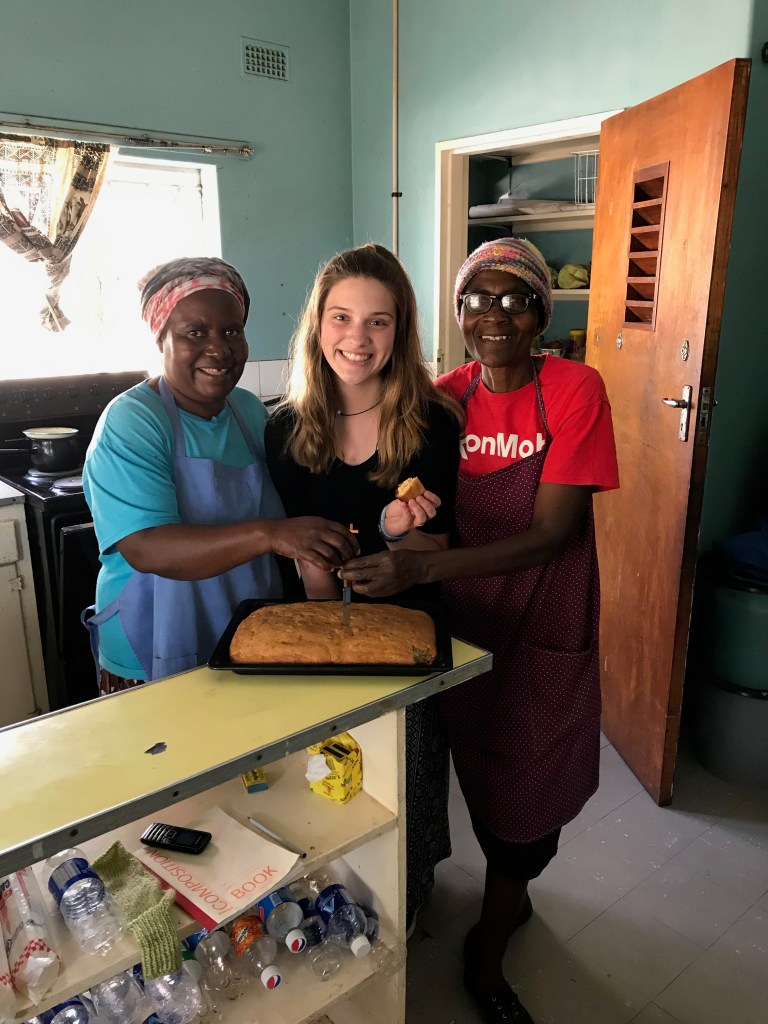
For years, our church has had a relationship with the church in Zimbabwe. Through The Nyadire Connection (TNC), we have sent teams to Zimbabwe, supported the building of rural medical clinics, the operations of the Home of Hope orphanage, and a variety of important projects to empower our brothers and sisters in Zimbabwe. More than statistics on a page, these brothers and sisters in Christ have become our friends. Those who have gone to Zimbabwe can say their names, share their stories, and have personal connections.
Today, we are getting reports of a grave problem faced by our brothers and sisters in Zimbabwe. As the COVID-19 pandemic has worsened there, the hunger pandemic has spread like wildfire. With over 95% unemployment and a lack of access to food sources, there is a major food shortage in Zimbabwe.
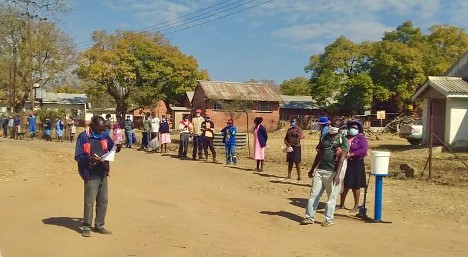
TNC has set a goal to raise $45,000 by the end of September to feed 407 families in Nyadire for six months. These 407 families are not just nameless faces; they are brothers and sisters whom members of our church have met, and who are aware of our church’s presence in their community. They are pastors, nurses, orphaned children, pregnant mothers, and hard-working farmers who stand in need of our support.
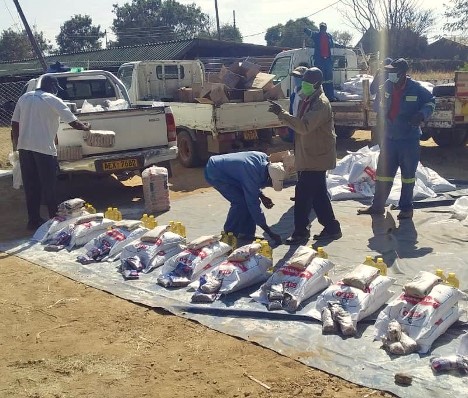
Dutilh Church has already contributed $1,000 to hunger relief efforts in Zimbabwe. In the next two months, we anticipate contributing an additional $3,000, using our annual mission giving, which your gifts to Dutilh Church support. If you would like to make a personal contribution, beyond our congregational contribution, to support hunger relief in Zimbabwe, you can donate directly to the cause at http://www.nyadire.org/donate.html. An $18 gift feeds a family of five for one month; $108 feeds them for six.
In 2 Corinthians 8, Paul writes to Christians in Corinth about a food shortage that was taking place in Jerusalem as a result of a famine. “At the present time your plenty will supply what they need,” he wrote, as he encouraged them to give to support a hunger relief effort, just as I am asking of you now. What I am asking is not new. It’s been the call of God upon Christians for 2,000 years. Feed the hungry and in so doing you have shared the love of God.
When Jesus taught us to pray, he told us to ask God to “give us today our daily bread.” Right now, in the midst of a hunger pandemic, you and I have the opportunity to be the answer to that prayer for our brothers and sisters in Zimbabwe. I hope you will join me in the joy of giving so that others may eat.
 Dutilh Church